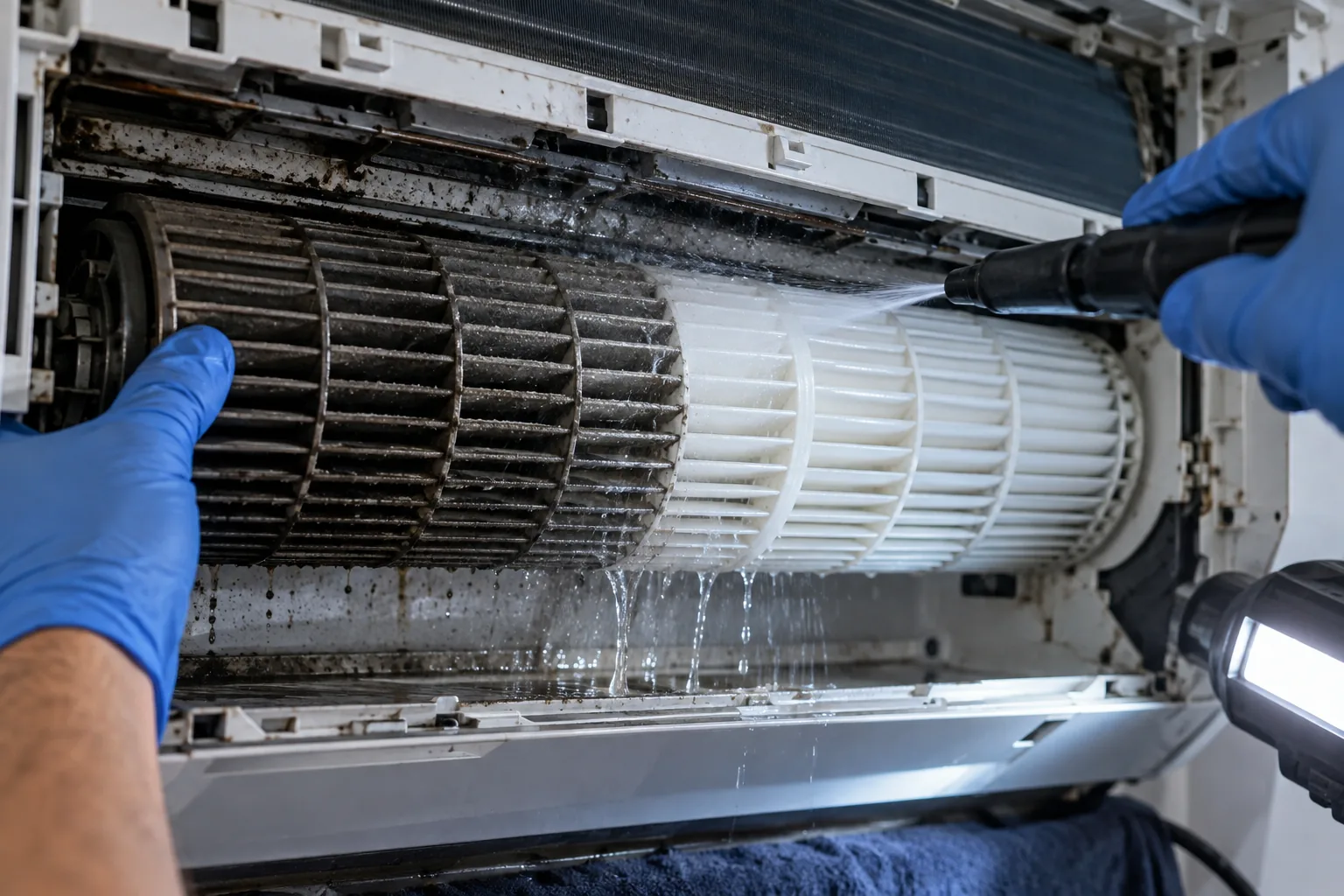
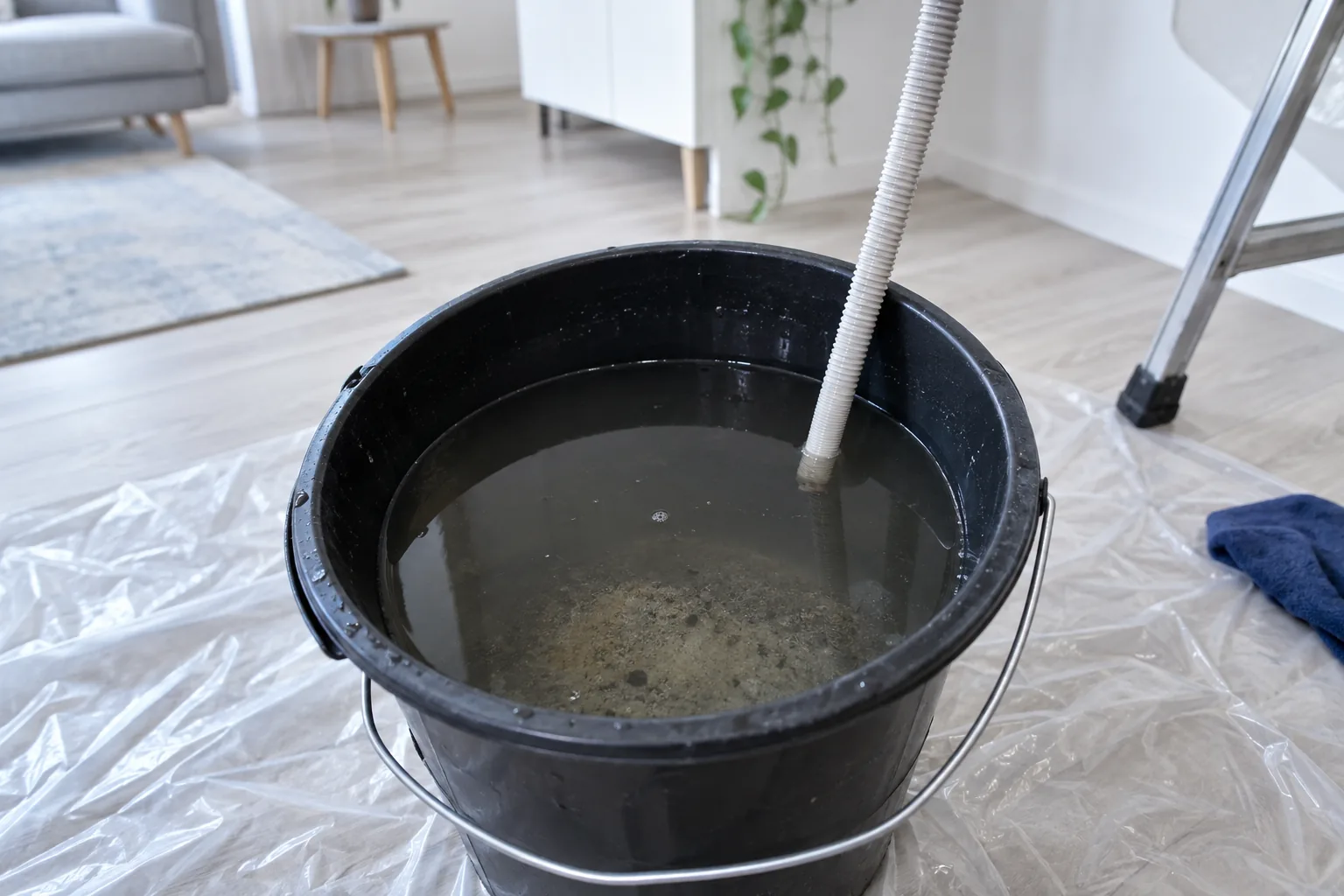
From inventory to a clear plan
In a workplace, units may have different operating schedules and access conditions. A room-by-room inventory helps organise maintenance and track the history of each unit.
1. Equipment information
Identify each unit by room, brand and model. Add the symptoms, last known maintenance and outdoor unit location. In rented premises, clarify who can provide access and approve the work.
2. Scheduling and access
Discuss available times and whether business activity can continue during the work. The schedule is adapted to the equipment and its use; the number of units alone does not determine a universal frequency.
3. Work and findings
Agree on accessible components, the scope of work and how observations will be recorded. Additional problems need a separate discussion. Cleaning and sanitising do not automatically require refrigerant charging.
4. Each unit's history
Keep service dates, completed work and outstanding recommendations. The document pages explain the structure of an inventory, a report, a schedule and a handover record.
Preparing an enquiry
Record the model and room for each unit, observed symptoms and the last known maintenance. Describe access to indoor and outdoor units without dismantling components to obtain information.
For multiple units, keep a room-by-room list. Dates, work and associated records are agreed in the discussion according to the situation.